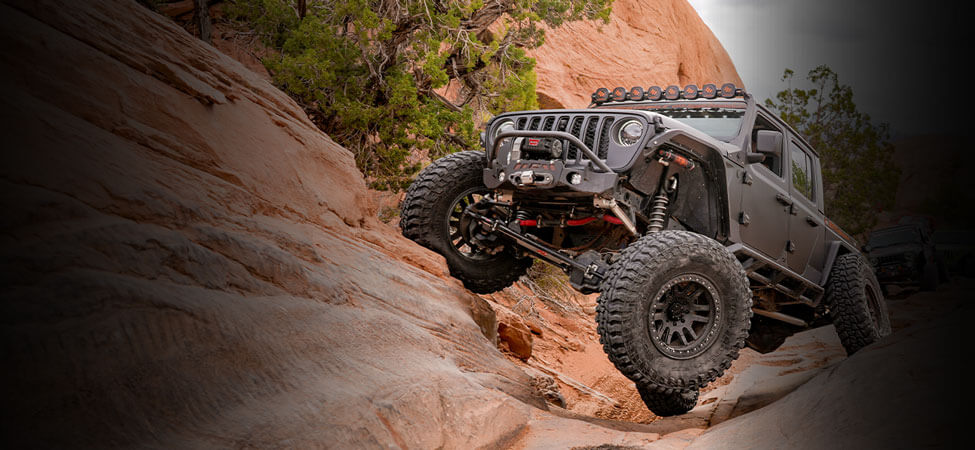
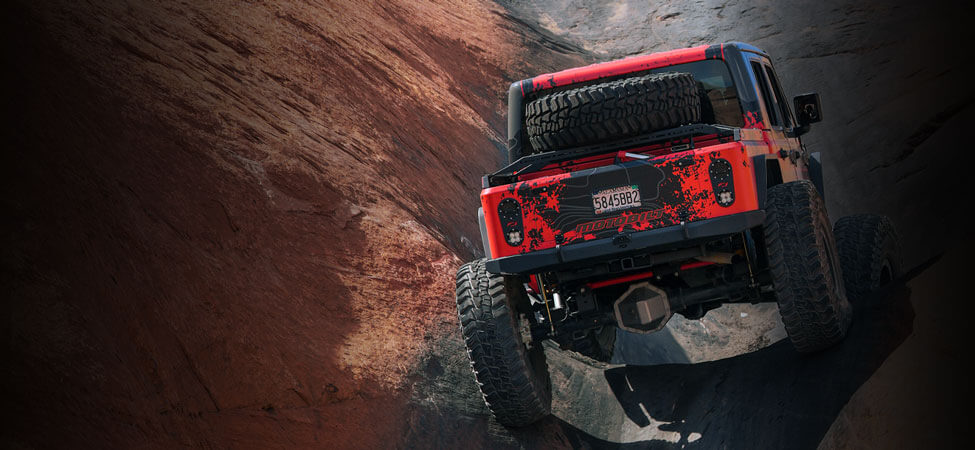
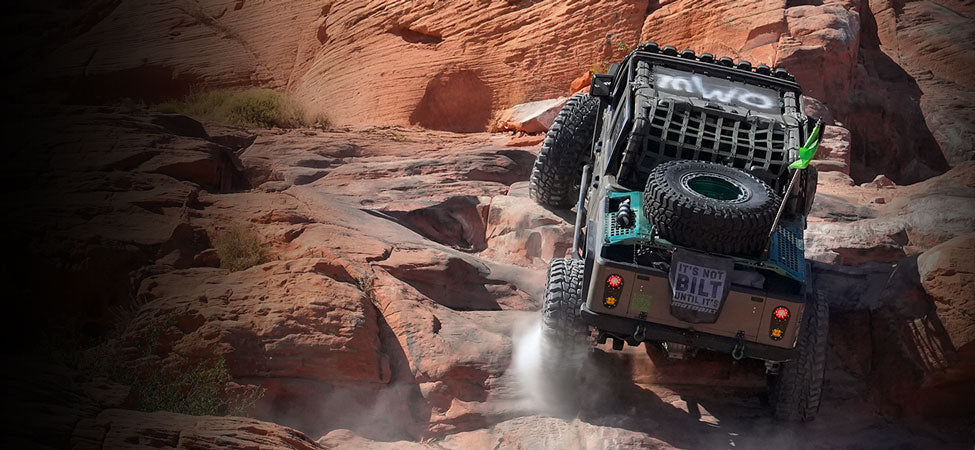
Once a Jeep JK starts seeing real trail use, the factory sport bar quickly becomes a weak point in the chassis. Larger tires, harder lines, and increased suspension travel all push load into areas the factory structure was never designed to support. Builders who wheel their 2 door JK hard know that improving chassis rigidity is necessary to keep the vehicle predictable and protected on the trail.
The Motobilt Roll Cage System was designed around that exact problem. This is a full weld-together internal cage system built specifically for the 2007–2017 Jeep Wrangler JK 2 Door. It replaces the factory structure with a 2 inch DOM main and 1.75 inch cross bracing cage designed for abuse and rigidity while still maintain the factory functions and features of a jeep JK.
Tube placement was driven by real-world use, not just packaging. The forward-positioned windshield tubes follow the windshield line more intentionally to create a cleaner, more cohesive profile when running without a top or with the windshield folded down. Most cages were not designed with this setup in mind and tend to look out of place once the factory lines are removed.
Visibility offroad whether in the rocks or on the back roads is key and this is yet another reason for our forward-positioned windshield tubes. Older more more conventional designs put these bars in your face and create line of sight issues as they are positioned further back blocking visibiility.
Tube design for this cage was driven by more than just fitment. The aggressive front tube design was shaped as a nod to the old school rock buggies and crawlers that defined the sport bringing that raw, purpose-built look to a modern platform. The forward windshield tubes follow the windshield line with intention, keeping the profile clean and cohesive whether you're running with your full doors and hard top on or with the windshield laid down.
This system was built for serious wheelers who like to push their rig to the limit. Drivers who wheel at that level know hard rollovers aren't a matter of if, they're a matter of when. Tops and windshields don't always come home in one piece, and this cage was designed with that reality in mind looking right and functioning properly when everything else has been stripped away.
At the heart of the build, the integrated X-brace behind the front seats doesn't demand attention but it earns it. Tucked in where the short two-door chassis need it most, it pulls the structure together, distributes load across the cage, and adds the kind of rigidity that only shows its worth when things go sideways on the trail.
The system is available in two configurations depending on how the Jeep is built. The Fastback version angles the rear structure forward for increased clearance and a cleaner rear profile. Or people who are running fastback tops. For running a rear seat the purchase Rear Seat Upper Tube Kit MB3101-P which maintains space for passengers while still reinforcing the chassis.
Like all Motobilt products, this system was developed by builders who understand Jeep JK packaging, fabrication, and real trail use.
Frequently Asked Questions
What is the difference between the Fastback and rear seat versions?
The Fastback version angles the rear tubes forward and is intended for builds that do not require a rear seat. The rear seat add on tube kit maintains space for passengers with 5 tubes that have more of vertical structure that maintains headroom for rear passengers. See MB3101-P
Why are the windshield tubes pushed forward?
The windshield tubes are pushed forward to create a much cleaner profile when running without a top or with the windshield folded down. Most cages were not designed with that setup in mind and tend to look awkward once the factory lines are removed. This design approach ensures the cage looks intentional and cohesive in the stripped-down configurations serious off-road drivers actually use.
Why does the 2 door JK cage use an X brace behind the seats?
The shorter cabin benefits from additional triangulation. The X brace helps distribute loads across the center of the cage and improves overall rigidity.
Does this cage tie into the frame?
No. This is an internal cage system and does not tie into the frame. If you choose to, you can make custom mounts to do so.
Is welding required to install this cage?
Yes. This is a weld-together kit and requires fabrication and welding experience to install properly.
Important Safety & Liability Notice
- Off-Road Use Only: This product is engineered exclusively for off-road recreational use. It is not certified or intended for on-road use and may render your vehicle non-compliant with federal, state, or local regulations.
- No Guarantee of Safety: Adding a roll cage significantly improves structural rigidity, but does not guarantee occupant safety or survival in all rollover or impact scenarios.
- Not for Racing or Motorsports: This product is not designed, tested, or rated for racing or motorsports use. It should not be used in competitive or high-speed environments.
- Professional Installation Required: Installation must be performed by a qualified welder/fabricator. Improper installation may compromise the integrity of the cage and vehicle, and could lead to serious injury or death. Some modification of factory panels may be required.
- Do Not Modify Tubing: Do not drill, notch, or cut into any roll cage tubing to run wires or mount accessories. Any modifications to the tubing compromise its strength and integrity. If modification is necessary, the tube must be reinforced using a welded-in bung or the hole must be fully welded closed.
- Airbag and Safety System Interference: This product may interfere with or disable factory-installed safety systems such as airbags or crash sensors. The user assumes all responsibility for any required modifications and their consequences.
- No Warranty or Liability: This product is sold “as is” with no express or implied warranty, including but not limited to any warranty of merchantability or fitness for a particular purpose. Motobilt, Inc. assumes no liabilityfor injury, death, or property damage resulting from the installation or use of this product. The end user assumes all risks and responsibilities.